


Veo - Shared Electric Vehicles
4.74.37K Reviews
App Specs
- Version
- 4.68.0
- Updated On
- License
- Free
- Downloads
- 1,000,000+
- Developer
- VeoRide
- Categories
- Travel & Local
- Platform
- Android, iOS
Screenshots
 Analysis by AppCompare
When I’m deciding whether to use a shared electric vehicle app, I look beyond the promise of a quick ride. The useful questions are practical: can I find a vehicle where I actually need one, does the trip suit this kind of ride, and will the pickup and end-of-ride steps fit my day? Veo - Shared Electric Vehicles is aimed at city travel, and I find it most appealing when I want a short, flexible alternative to walking or waiting for a ride.
Veo is a free Travel & Local app from VeoRide. It has a 4.7 average from around 15,000 ratings, and more than a million installs, so it has clearly reached a substantial audience. It is rated for Everyone, and version 4.59.1 requires Android 7.0 or later. Those details make it easy to assess whether the app suits your phone, but the more important question is whether shared electric vehicles make sense for your routes.
Start with the trip, not the vehicle
I would consider Veo for a journey that is too far to walk comfortably but short or awkward enough that taking a car feels like overkill. A ride between a transit stop and a destination, a quick cross-town errand, or getting across a neighborhood can be a good fit—provided a vehicle is available nearby and the trip works with local riding and parking rules.
For a regular commute, the key is consistency. A vehicle map can help you check what is around before you leave, but a shared service is not the same as having your own bike or scooter waiting at home. I would treat it as a useful option in a travel routine, not build a time-critical plan around an assumed pickup. If your schedule cannot absorb a short walk to another vehicle or a change of transport, a dependable transit route may be the safer choice.
Where Veo earns its place
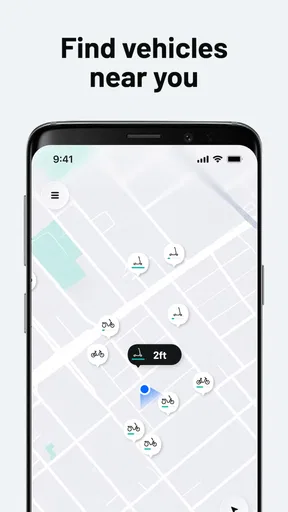
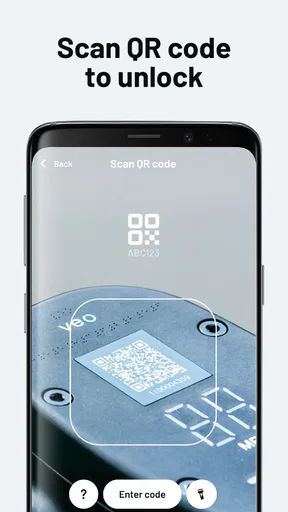
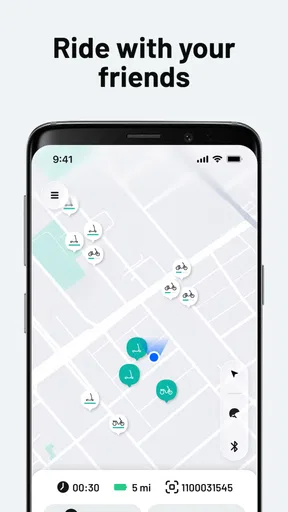
The app’s central advantage is putting the search for a shared ride in one place. Its map shows nearby vehicles, and the ride flow described in the app is straightforward: scan the vehicle’s QR code to unlock it and set off. That can reduce the friction of arranging a short trip compared with calling a car, especially when you are already close to a pickup point.
Veo is also a more active way to cover a city than sitting in traffic. Electric travel can be a welcome alternative for someone who wants to avoid a car for a suitable journey, and I like that the app presents ride distance and estimated carbon savings as part of the experience. I would treat those figures as helpful context rather than a reason to choose a ride that does not otherwise fit my plans.
How it compares with other ways across town
Compared with walking, a shared electric vehicle can save effort and time on a longer urban hop, but walking remains simpler for a very short distance: there is no vehicle to locate, unlock, or leave properly. Compared with public transit, Veo offers more direct point-to-point flexibility when a vehicle is close, while transit is often easier to plan around for longer trips or journeys with several passengers.
Worth Reading Before You Choose

EA SPORTS FC Mobile 26 Is a Bigger Football Game, but It Takes Time

Flipboard Shows What News Apps Must Do Beyond the Feed

Switching to Android Auto Means Rethinking Your Driving Routine

Google Calendar Makes a Crowded Week Easier to Manage

Ludo King Makes the Most of the Minutes Between Plans

Baby Panda World Brings Quick Play to Modern Phones, but Its Game Library Feels Busy
A personal bike or scooter can be the better choice for someone who rides often and wants predictable access. A shared ride makes more sense when you do not want to own, store, or maintain a vehicle, or only need one occasionally. A car or taxi may suit heavy luggage, bad weather, or a route where riding does not feel comfortable. I would not call one option best for every trip; the useful choice depends on distance, timing, road conditions, and what you need to carry.
Small checks that make a ride smoother
Before committing to a trip, I would check the map close to departure rather than assume the vehicle I saw earlier is still available. When demand is high, having a second nearby pickup area in mind can save a frustrating detour. If you are meeting someone or heading to an appointment, leave enough time to walk to a vehicle and complete the unlock process rather than planning around an exact arrival minute.
I would also think about the destination before starting. Shared vehicles are useful only if the end of the ride works with the local rules and the place you are going; a convenient pickup can become inconvenient if you have nowhere appropriate to finish. For a new user, the in-app tutorial is worth taking a moment to review before riding, especially if electric vehicles are unfamiliar. If something seems wrong with a vehicle, the app’s issue-reporting option is a practical route to flag it rather than simply hoping the next rider notices.
Getting Started with Veo
First things first, downloading the Veo app is a breeze. It's available on both Android and iOS, so no worries about compatibility. Once installed, the setup is super straightforward. You just need to create an account, which takes all of five minutes. I love how they’ve made it simple and user-friendly.
After signing up, you’ll find a map displaying all the available electric vehicles around you. The interface is clean and intuitive, making it easy to spot a ride nearby. Whether you’re in a rush to get to a meeting or just want a leisurely ride around town, there’s likely a Veo vehicle right around the corner.
Riding the Electric Wave
Now, let’s talk about the rides themselves. These electric vehicles are a joy to use. They’re smooth, eco-friendly, and surprisingly zippy! Simply scan the QR code on the vehicle to unlock it, and you’re off. The whole process is seamless, which is a huge plus when you’re in a hurry.
One of my favorite features is the app’s built-in navigation. It helps you find the best routes to your destination, avoiding congested areas. Plus, it tracks your ride stats, which is great if you’re a bit of a data geek like me. You can see how far you've traveled and how much carbon you’ve saved by choosing an electric option.
Convenience at Your Fingertips
One thing I must highlight is the convenience factor. Veo vehicles are strategically placed, so you’re never too far from a pick-up point. The app updates in real-time, so you can easily track vehicle availability. This is particularly handy during peak hours when demand skyrockets.
Another nifty feature is the option to reserve a vehicle. If you’re planning a trip and want to ensure you have a ride, simply reserve it through the app. This feature has saved me more than once from being stranded!
Safety and Community
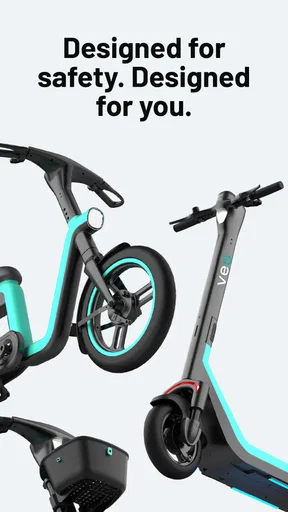
Safety is a top priority for Veo, and it shows. Each vehicle is equipped with the latest safety features, and the app provides a quick tutorial for new users. You can also report any maintenance issues directly through the app, ensuring everything runs smoothly.
The app also fosters a sense of community. Users are encouraged to leave feedback and rate their rides, which helps maintain high standards. It’s like having a whole community of riders working together to make urban mobility better for everyone.
The Eco-Friendly Choice
Let’s not forget the environmental impact. By using Veo, you’re not just getting from point A to B efficiently, but you’re also contributing to a greener planet. It’s a small step towards reducing your carbon footprint, and trust me, every little bit helps.
In a world where climate change is a pressing issue, opting for an electric vehicle feels like a meaningful choice. Plus, it’s pretty cool to ride past traffic, knowing you’re not adding to the pollution.
Who should choose it—and who should skip it
I see Veo as a good match for people who are comfortable riding and want an occasional, direct trip without owning a vehicle. It can also help when a transit journey leaves a gap between the stop and the final destination. The deciding factor is not simply whether the app is easy to use; it is whether the local availability and route make a shared ride practical on that particular day.
I would skip it when the route is unsuitable for riding, when I need to carry bulky items, or when I cannot spare time to find and unlock a vehicle. It is also not an ideal substitute for a guaranteed commute if a late arrival would cause a serious problem. In those cases, walking, transit, or another planned option is less dependent on what happens to be nearby.
What the convenience depends on
The map and reservation option can make planning easier, but they do not remove every uncertainty from a shared trip. Availability can vary with place and time, and a reservation is useful only if the vehicle and pickup point work for the route you intend to take. I would check the details in the app before setting out and avoid treating a reservation as a reason to skip a backup plan when timing matters.
There is also a small learning curve that does not show up in the simple scan-and-go idea. You need to be comfortable locating the right vehicle, following the app’s instructions, riding responsibly, and completing the trip in a suitable place. If you are new to this kind of service, a low-pressure first ride is a better test than trying it for the first time on the way to an appointment.
A realistic test run
Imagine finishing a train journey and needing to reach a nearby meeting across town. I would check Veo’s map before leaving the station, compare the nearest available pickup with the walk, and consider where I can end the ride near the meeting place. If the vehicle is close and the route feels appropriate, the app can make the last part of the journey more direct. If the map shows a long detour to a pickup, walking or continuing by transit may be the smarter choice.
That kind of trip is where the service’s strengths and limits become clear at once. The vehicle can bridge a gap that would otherwise take extra walking, but the value depends on the pickup and destination lining up. The most useful habit is to decide based on the whole journey, not just the excitement of seeing a vehicle icon nearby.
Wrapping It Up
All in all, Veo - Shared Electric Vehicles is a fantastic app for anyone looking to navigate the city with ease and sustainability. It’s user-friendly, convenient, and has a strong focus on community and safety.
Whether you’re a daily commuter or someone who just needs the occasional ride, Veo is worth checking out. So, why not give it a spin? Your future self—and the planet—will thank you!
My recommendation
I would recommend giving Veo a try if shared electric vehicles are a sensible option in the places you travel and you want a flexible alternative to walking or driving for short city trips. Its map, QR-code unlock flow, and reservation option can make the process feel approachable, while ride information gives you a useful record of the journey.
My recommendation comes with a practical condition: check the vehicle and route before depending on them. Veo is not a universal replacement for transit, a personal bike, or a car, and the best alternative changes with distance, weather, luggage, and timing. Used for the right trip, though, it can be a convenient way to move through town without making every short journey a car journey.
Pros
- Eco-friendly transportation option.
- Easy-to-use interface for all ages.
- Wide availability in urban areas.
- Cost-effective compared to taxis.
- Real-time vehicle tracking feature.
Cons
- Limited to certain geographic areas.
- Requires constant internet connection.
- Battery life can be unpredictable.
- Occasional app crashes reported.
- May incur additional fees for late returns.
FAQs for Veo - Shared Electric Vehicles
What is Veo and how does it work?
Veo is a shared electric vehicle service that offers convenient access to e-scooters and e-bikes for urban transportation. After downloading the app, users can locate and unlock a nearby vehicle using their smartphone. The service aims to provide an eco-friendly and efficient alternative for short-distance travel in city environments.
Is Veo available in my city?
Veo is expanding rapidly, but its availability varies by location. To check if Veo operates in your city, download the app or visit the Veo website. The app features a map that shows available vehicles in supported cities, making it easy to determine service areas before you download.
How much does it cost to use a Veo vehicle?
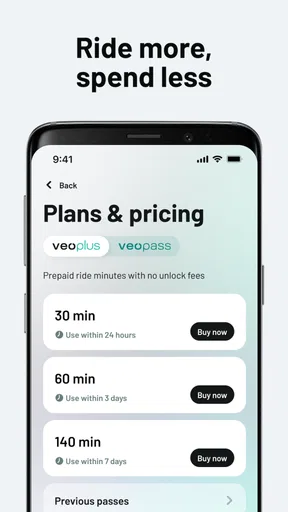
The cost of using a Veo vehicle includes a base unlock fee plus a per-minute charge. Prices can vary by city, so it’s best to check the app for specific rates in your area. Veo also offers various promotions and passes that can help reduce costs for frequent users.
What safety measures should I follow while using Veo?
Safety is a priority when using Veo vehicles. Users should always wear a helmet, follow local traffic laws, and be aware of their surroundings. The app provides tips and guidelines to ensure a safe ride, and users are encouraged to review these before starting their journey.
How do I report an issue or get support with Veo?
If you encounter any issues with a Veo vehicle or the app, you can report it directly through the app’s support section. There, you’ll find options to contact customer service via email or phone. Veo’s support team is available to help resolve any problems quickly.


